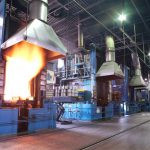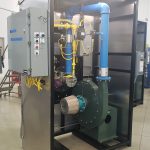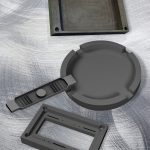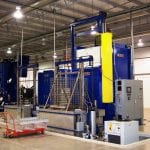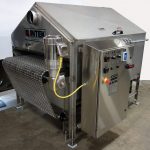





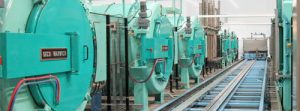
Furnaces used to melt metals at high temperatures are an essential tool of many high-tech sectors.
Retech has been meeting that industrial challenge for more than 60 years.
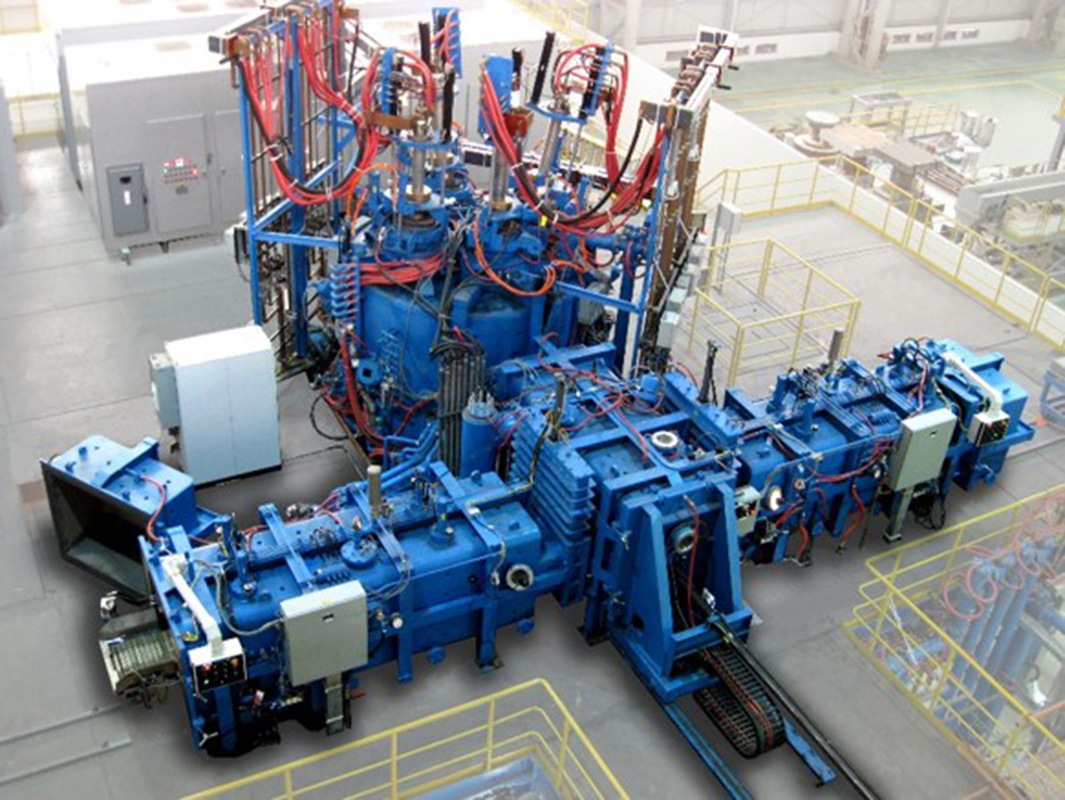
“We have several different types of furnaces that are used to melt down high-temperature metals and alloys such as titanium, nickel, tantalum, and niobium,” said Earl Good, president of Retech. “These are some of the big ones in today’s market. The furnaces are used to melt the metals down and produce different output forms. That also includes the rare earth metals. That’s a big topic right now with bringing the rare earth metals back to the U.S. We can supply furnaces that either produce flake from different rare earth metals or strip casting, which produces a strip of material that is then processed further. We can also provide reduction furnaces that are able to process impurities out of certain rare earth metals and produce a purer compound.”
To that end, all of Retech’s furnaces require a vacuum, according to Good.
“They also require a controlled melting atmosphere in which they melt because, as you’re working with these very high temperature metals, of course, there are also some risks,” he said. “A lot of these processes are water cooled on the outside of the chamber, but if that water gets inside the furnace and we’re melting a metal at 1,600 or 1,800 degrees Celsius, that can be dangerous. The pressure tends to builds up, and it could ultimately lead to an explosion. Retech’s equipment is designed to withstand that by installing safety precautions that should provide a safe shutdown of the furnace.”
A Large Array of Products
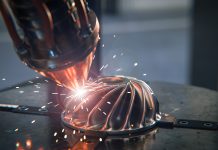
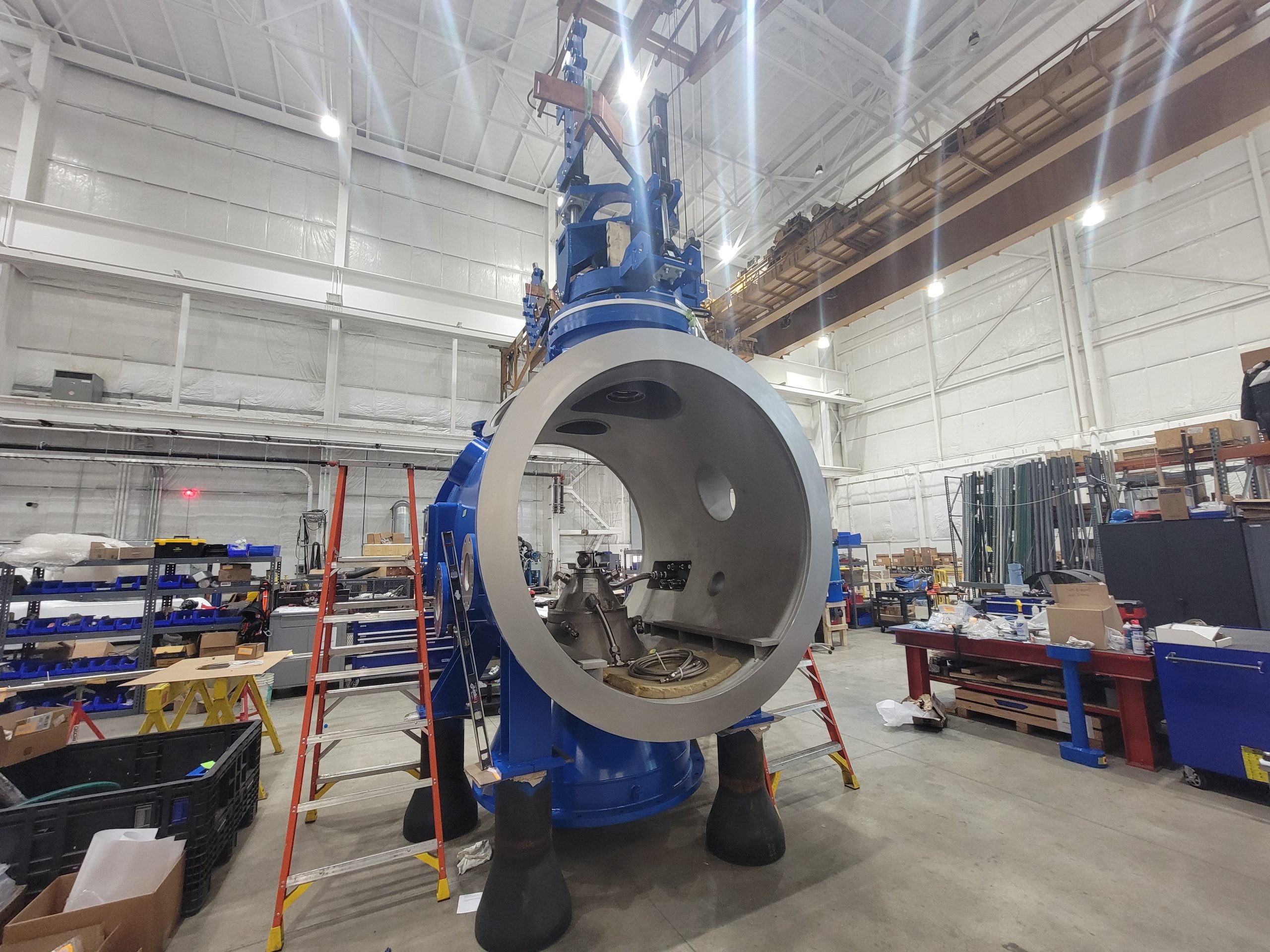
As part of Retech’s inventory, the company designs and builds vacuum induction melting furnaces used for casting specific parts and pieces, according to Good.
“A lot of times those parts will go into the aircraft engines, the airplanes themselves, turbines in the energy industry, or for producing body replacement parts,” he said.
Retech also offers electron beam melting, plasma-induction melting, and vacuum-arc remelting (VAR) furnaces, according to Good.
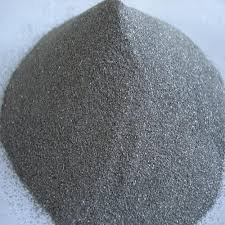
“We’re the market leader in pretty much all of these different technologies, and we actually founded a lot of them at Retech,” he said. “We have strip casting and melt spinners that are used for the rare earth metal industry, and we have developed some newer technologies as well. We have a plasma gas atomization system that’s used to produce powder. We see a lot of interest in that from various companies right now, and that’s exciting. We’ve had a very good period. We’re focused constantly on developing and advancing the technology as we continue our growth.”
Working Closely with Customers
To tackle that continued technological growth, Retech has a large manufacturing and development area in Buffalo, New York, according to Good.
“A lot of customers come to us wanting us to melt various alloys, different things that maybe haven’t been melted before to see first, if we can melt them and, secondly, to see if they can produce something from the melted material, so we work with them on that,” he said. “But as we work with them on those things, we also learn and grow. This knowledge is important as it allows us to develop the newer furnaces we have started selling. It also allows us to develop technology to improve the operation and performance of our existing furnaces, and it also allows us to better support our customer’s ever-changing needs.”
That leads to a focus on furnace customization, according to Good.
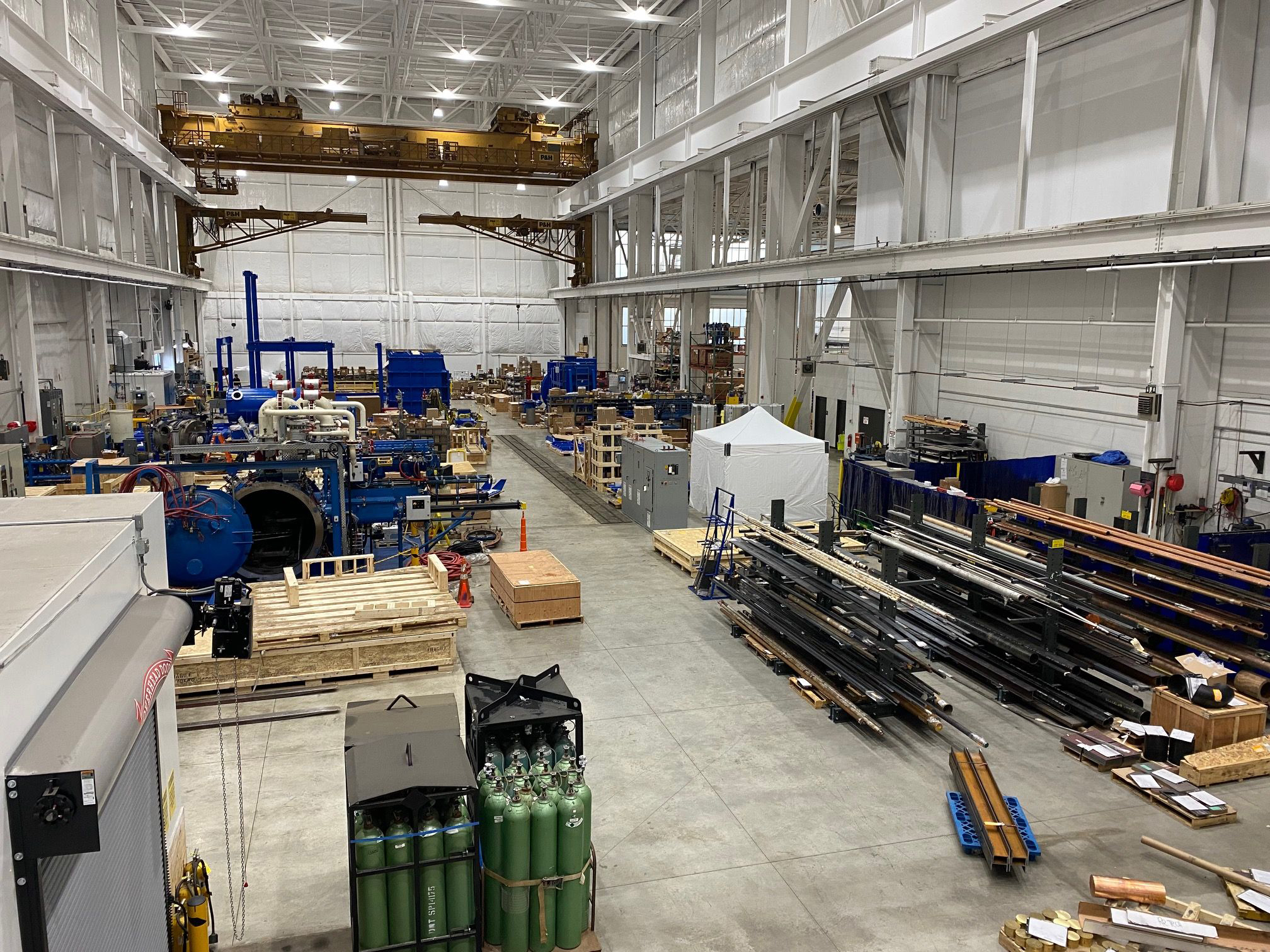
“We work with every customer to customize the furnace to meet their needs,” he said. “We’re very proud of that because some of our competitors will basically say, ‘This is the furnace that you get. It’s our standard furnace. Take it or leave it.’ We work with them and customize it and make sure it meets their needs.”
The furnaces supplied by Retech often are a combination of customization with established equipment, according to Good.
“We’ve been in business for well over 60 years,” he said. “We have supplied so many furnaces that we probably have something that we’ve already done that’s close in nature that we will adjust or make modifications to in order to meet the customer’s needs.”
Becoming a part of SECO/WARWICK
A big part of what continues to make Retech a success in the controlled atmosphere melting sector lies in its recent partnership with SECO/WARWICK, according to Good. SECO/WARWICK took over ownership of Retech in 2011, making Retech a wholly owned subsidiary of the Poland-based company.
“The interesting thing with the relationship is most of our furnaces are export controlled,” he said. “We have to get an export license to send anything overseas to most countries, so SECO/WARWICK can’t have direct access to any of our files, folders, server, anything. We have to have a completely separate server to function. It’s kind of an interesting dynamic that we’re owned by a Polish group, but they have limited access to our information. Many of our products are export controlled because they are considered dual-use. In simple terms, dual-use furnaces can be used to produce good things, but they can also be used to produce some not so good things, so the technology is very heavily controlled. We work closely with the Department of Commerce, BIS, and FBI to make sure we’re following all policies and guidelines.”
Another important focus of Retech for the past several years has been to build solid relationships with its customers, according to Good. The company wants to be the customers’ first choice for their melting needs.
“We want to listen to our customers, meet their expectations, and develop that relationship,” he said. “We want it to be a long-lasting relationship, not just a business transaction. We can work with them on research and development. We can work with them in designing a furnace specific for their needs — engineering that furnace, supplying that furnace, and then supporting them with aftermarket parts and services, field service, ongoing parts for their operation and more. We can also help them retrofit those furnaces or make modifications in the future. We’re looking for not just a transaction but a long-term relationship. I think we’ve been successful at that because we have a lot of customers who continue to come back to us over and over again, which is what we want.”
An Edge in an Evolving Industry
Serving its customers while keeping an eye on changing technology has given Retech an edge in an industry that is constantly evolving, according to Good.
“The R&D aspect of our business allows us to stay on top of the industry, because, as we get to melt these different alloys and materials that people are bringing to us, we learn, and it helps us to develop the next type of furnace or to make improvements to the furnaces that we do have,” he said.
“Because we see ourselves as a market leader, we want to maintain that market leadership position. It’s important that we’re always looking to evolve and to improve the equipment that we offer to the market.” Retech has also been able to benefit from the current tariff situation that has had an impact on many U.S. companies, according to Good.
“We’re the only supplier that can do everything entirely in the U.S. or North America, which has been a big plus for us,” he said. “We’ve grown from a small office in Buffalo when we made the move here and now we have two different facilities in the area.”
When customers seek out a new furnace or upgrade, Retech’s technological expertise often gives the company a leg up on bidding on those jobs, according to Good.
“We’re lucky because we get to bid on most everything and see most everything, so we try to sit down with the customer and make sure that we understand their needs and what they’re trying to accomplish,” he said. “We typically will give them a couple different things to think about or scenarios of furnaces that we can offer. We will offer to do trial melts to let them see the operation of our furnaces and give them an idea of what we can produce, then it usually grows from there. Where we have good relationships, we move to the next steps pretty easily, but it’s always a process you go through; you get a spec or RFQ, and you provide a response to the customer with a quotation on what you can provide, and it evolves from there.”
It’s important to get the initial specifications in place, because creating a furnace from design to installation takes time, according to Good.
“A lot of our furnaces — from the time we quote them until the time the purchase order is placed could be anywhere from six months to maybe two years,” he said. “When customers are looking to purchase a furnace or furnaces, they want to make sure they have their production pretty well sold out so they know they have an end customer who’s going to buy the products that they’re producing. It’s a long process.
We’ve had some customers from the time we quoted to the time they purchased, where it’s been five to six years. So, it’s important to stay with that customer and continue to work with them throughout that process, and, hopefully, at the end of it, you’ve done the right work and done the right things, and you get the order.”
The Importance of R&D
As Retech looks to the future, the company’s research and development will continue to play a big role in new processes and innovations, according to Good.
“Everybody’s trying new compounds, new alloys, and new mixtures of different materials, and each of them has a specific idea in mind as to what they want to use that material for,” he said. “It’s important that we stay involved with that. Because of some of the things happening around the world, the defense industry has picked up. There’s a lot of interest in different things as far as the defense industry and developing of materials to support the market is concerned. With companies getting involved with space travel, that comes with the need for alloys that can deal with high temperatures and pressures and the conditions that they face going into and out of the atmosphere.”
In addition to that, Retech will continue with its development of powders as well as alloys to help with aviation efficiency, according to Good. “I see powder becoming a big player,” he said. “There are a lot of companies that are developing different parts and pieces and components using powder. You’re also going to see the airline industry evolve somewhat from the types of planes they are flying now to the types of planes that will be more fuel efficient in the future. That will involve changes in the composition of those planes.
It’s important that we stay on top of that and stay involved with everybody who’s in those industries and support them and their needs. That way, they will help us to evolve to where we need to be.”
More info: www.retechsystemsllc.com